DATA STORIES
02
Being Human in a Digital World
The human pulse in a digital era
In the race towards artificial intelligence, it’s easy to forget the heartbeat behind the data — the human one. As Malaysia advances deeper into the digital age, our readiness to embrace AI has grown remarkably. According to the Oxford Insights Government AI Readiness Index 2024, Malaysia ranks 24th globally, ahead of many regional peers, and Johor ranks 4th among other Malaysian states. Innovation is no longer confined to Kuala Lumpur. We’re not watching the future arrive, we’re building it.

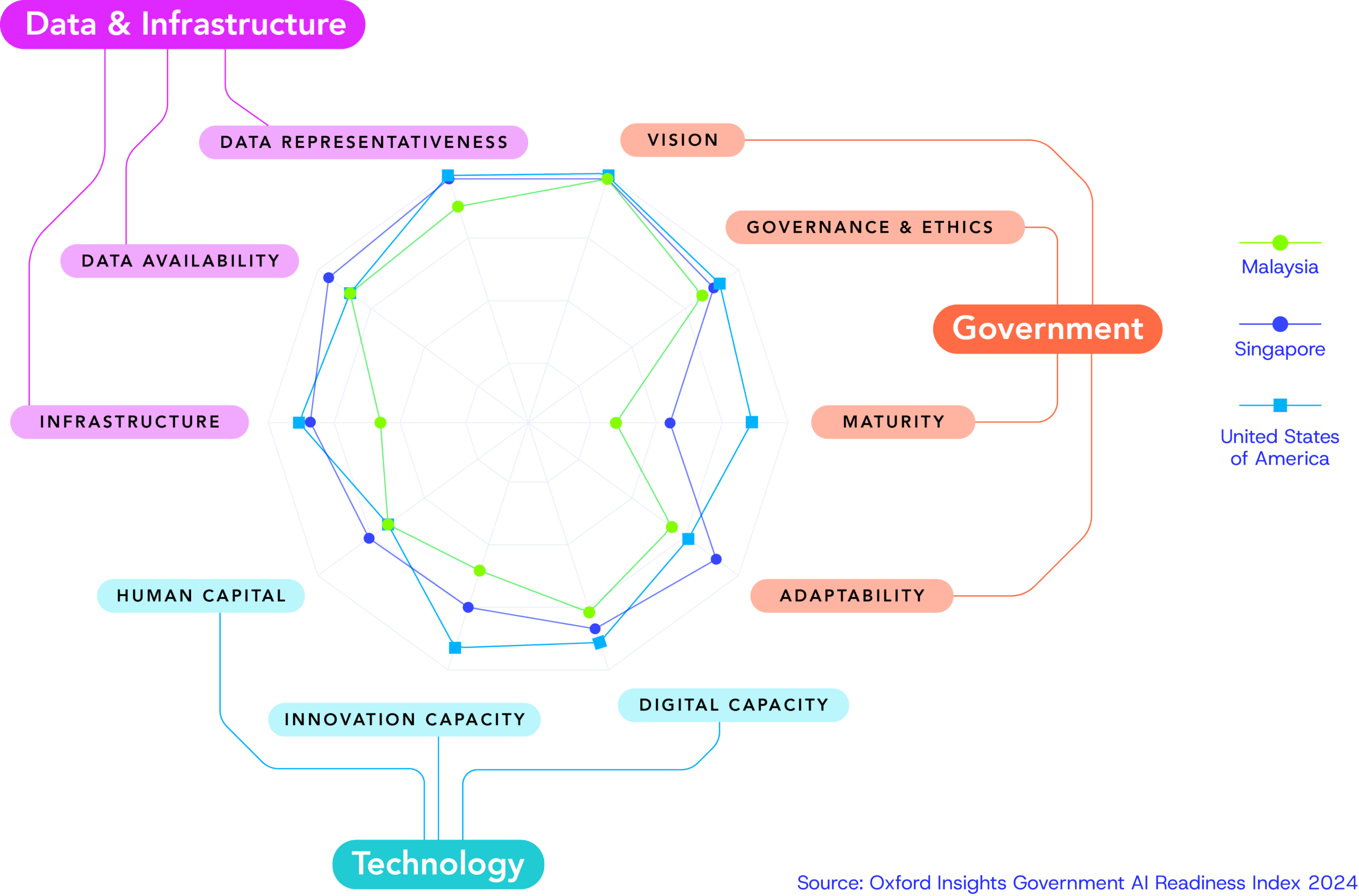
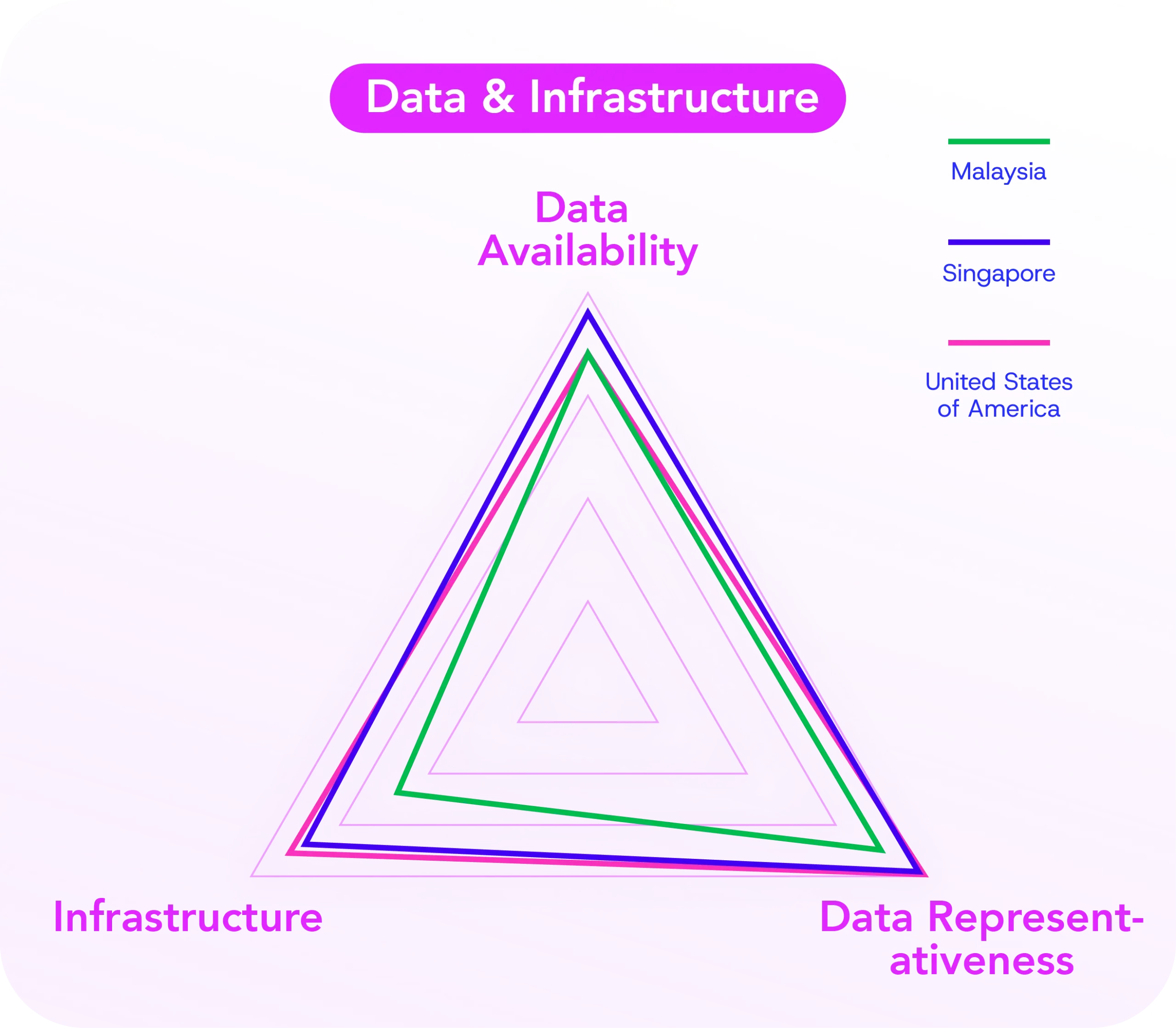
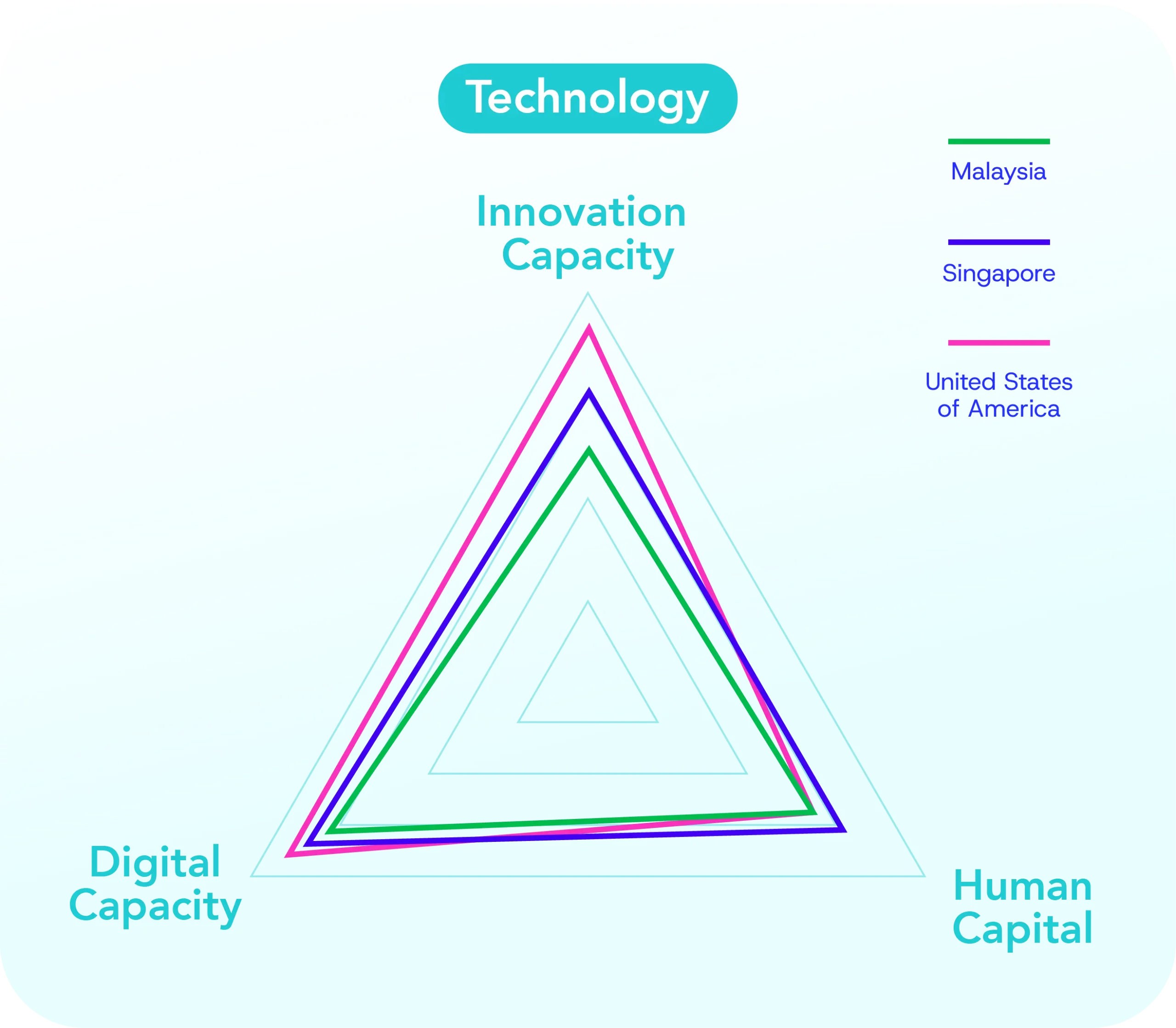
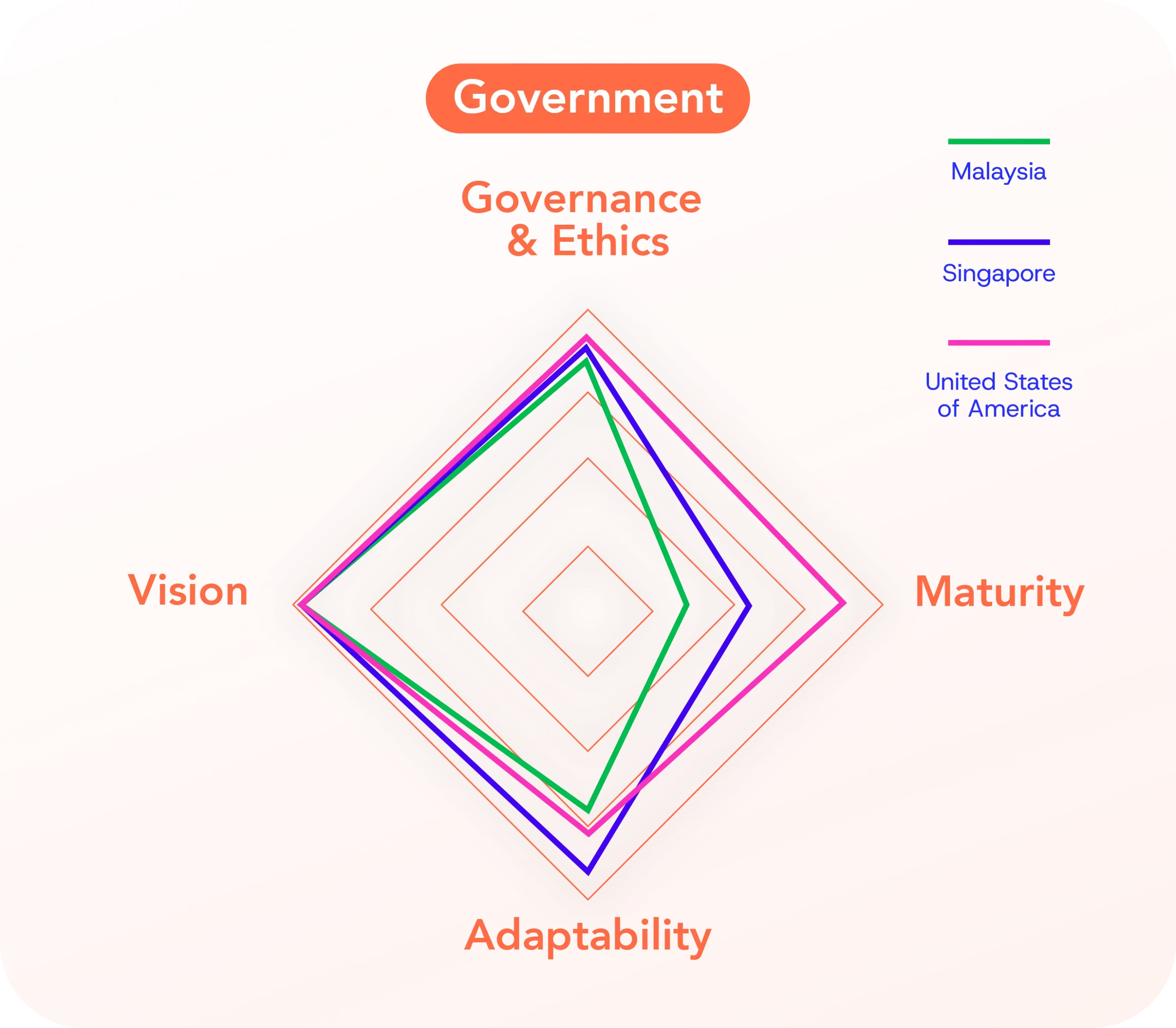
Source: Oxford Insights Government AI Readiness Index 2024
Life in 2040:
Our AI Future

Imagine 2040: cities that think, systems that anticipate, and industries that adapt in real time. Johor Bahru and Kuala Lumpur will soon be powered by AI-driven traffic systems that ease congestion, smart utilities that optimise water and energy use, and predictive maintenance that prevents breakdowns before they happen. In healthcare, AI diagnostics and telemedicine will extend quality care beyond Peninsular Malaysia, reaching remote communities in Sabah and Sarawak.
Driving this transformation are JCorp’s four innovation pillars: sustainability, digitalisation, talent, and inclusivity alongside Cerebrum, its AI knowledge platform designed to accelerate enterprise adoption. As generative AI (GenAI) matures, 2040’s workplaces and public services will look less like machines replacing people, and more like systems amplifying human potential.
Jobs in the Age of AI:
What Will Go Extinct,
and What Will Rise
But progress comes with disruption.
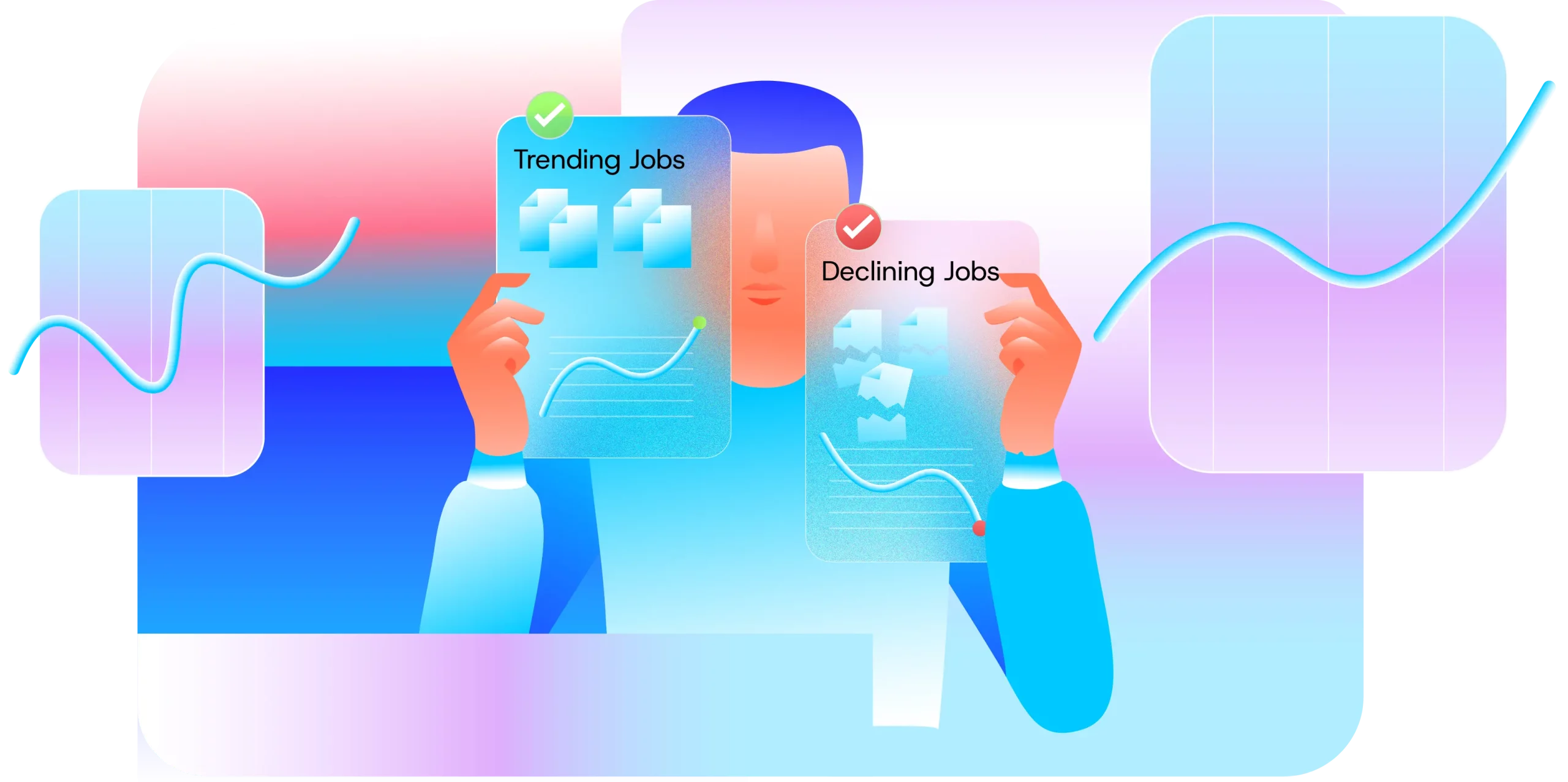
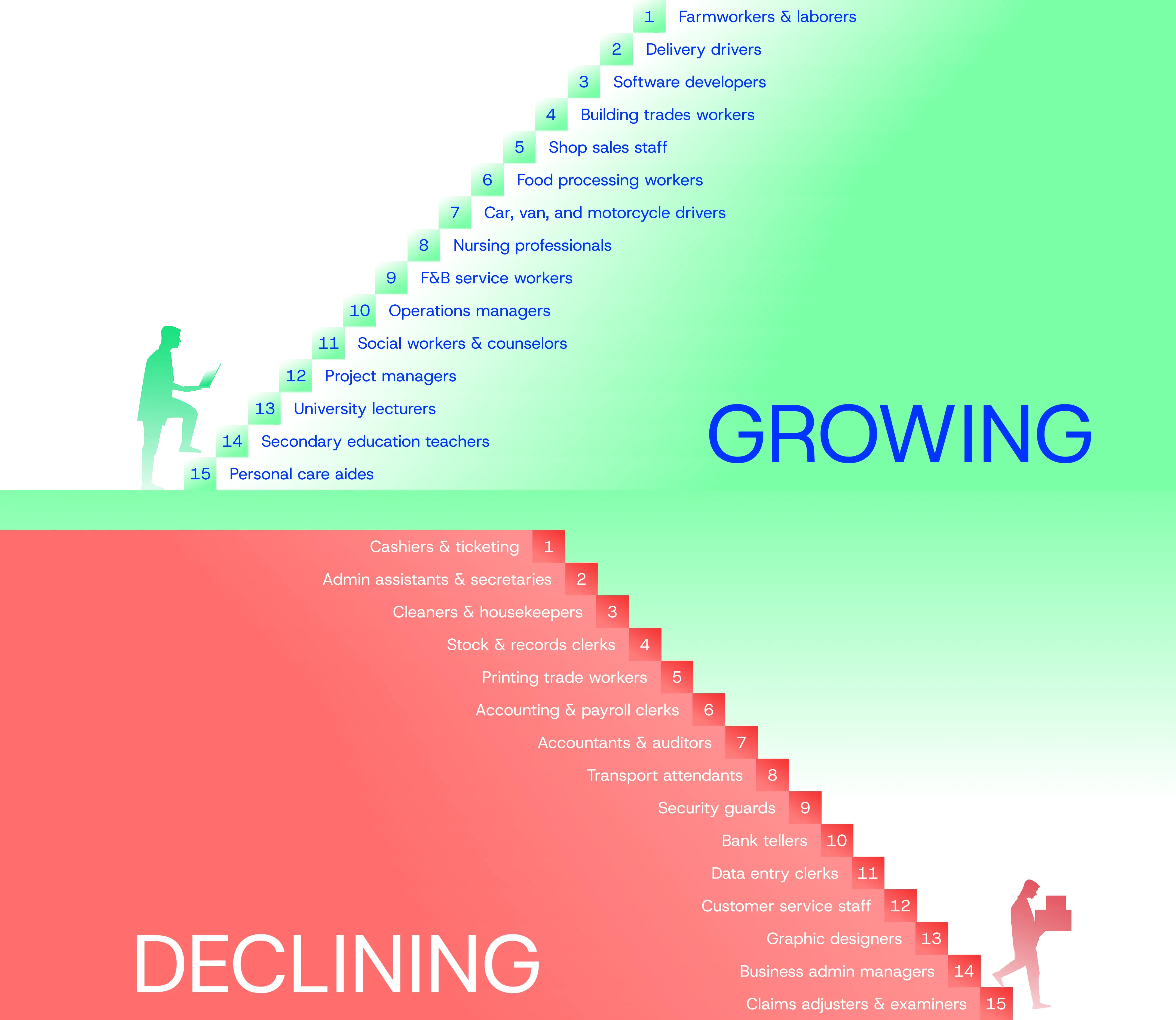
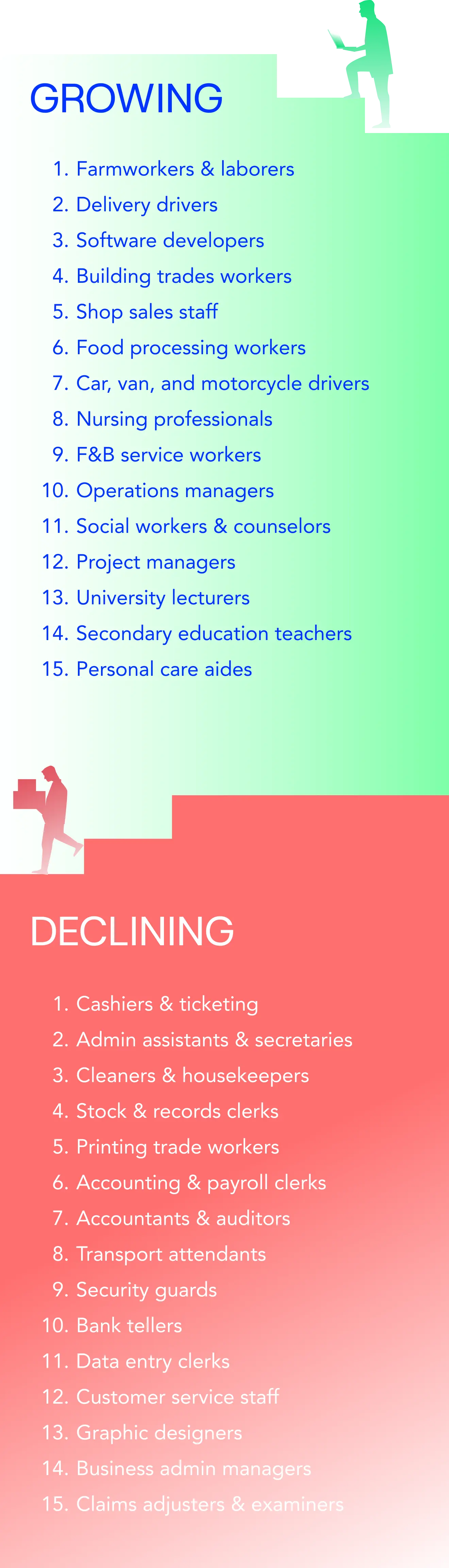
More than 30% of Malaysian jobs will be affected by AI in the next decade. Routine and clerical roles will be the first to go and be replaced by intelligent systems that can process, predict, and perform faster. Yet this same wave will create new opportunities.
The Future of Jobs Report 2025 estimates 78 million new roles globally by 2030. AI trainers, data ethicists, sustainability analysts, human-AI interaction designers; jobs that did not exist 5 years ago. 620,000 Malaysian jobs remain at high risk of displacement as intelligent systems learn to process, predict, and perform faster than human hands.
A chart of the decade ahead tells a clear story: the fastest-growing skills by 2030 will centre on analytical thinking, creativity, systems design, and sustainability, while jobs reliant on routine or manual tasks will steadily decline. To stay competitive, Malaysia’s workforce must transition towards AI fluency, digital literacy, and the green economy.
Top 10
fastest growing skills
by 2030
AI & Big Data
Networks & Cybersecurity
Technological Literacy
Creative Thinking
Resilience, Flexibility & Agility
Curiosity & Lifelong Learning
Leadership & Social Influence
Talent Management
Analytical Thinking
Environmental Stewardship
Largest growing and declining jobs by 2030
Co-existing with AI: The Human Advantage
Despite the algorithms, the future remains profoundly human. A 2025 Workday study, “Elevating Human Potential: The AI Skills Revolution,” found that 83% of workers believe uniquely human traits creativity, empathy, and moral judgment will only become more vital as AI adoption grows. What matters most?
64%
said communication
57%
said emotional intelligence
54%
said empathy
AI may calculate, but it cannot care. It can optimise a business process, but it cannot navigate the messy politics of getting humans to actually change. The edge of tomorrow lies in how we balance intelligence with intuition.

The road ahead will be shaped not just by algorithms, but by imagination. At IBTEC, Malaysia’s living lab for innovation, researchers, startups, and industries collaborate to prototype the future, experimenting with AI applications, testing sustainable systems, and designing human-centreed technologies.
The road ahead will be shaped not just by algorithms, but by imagination. At IBTEC, Malaysia’s living lab for innovation, researchers, startups, and industries collaborate to prototype the future, experimenting with AI applications, testing sustainable systems, and designing human-centreed technologies.
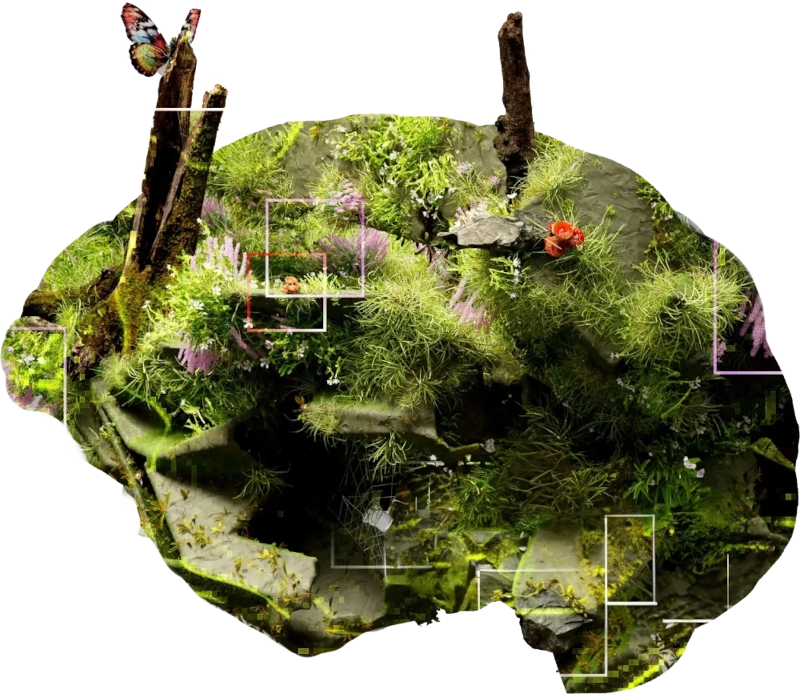

Being human in a digital world isn’t about resisting change. It’s about redefining progress around the values that make us human in the first place.